About False Ceiling Systems
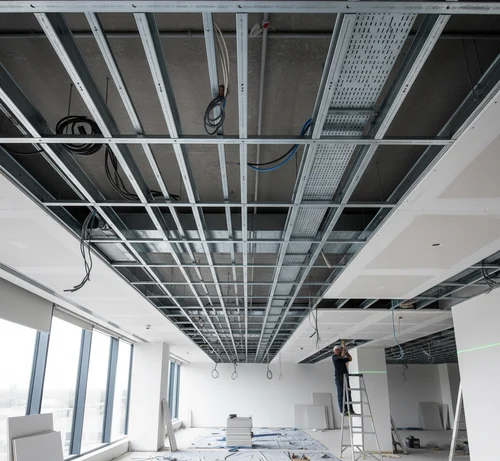
False ceilings define room height, conceal services, add acoustic comfort, and provide opportunities for integrated lighting design. Material choice depends on the space type and design intent.
Premium Quality & Assurance
Our curated collection of False Ceiling Systems is sourced from top-tier manufacturers to ensure the highest standards of durability, aesthetics, and performance. Whether you are designing a modern commercial space or a premium residential interior, these materials offer unmatched reliability, safety, and timeless style.
- Painted smooth (gypsum / POP)
- Textured paint
- Wood-grain (WPC / veneer)
- Bare metal / powder coated
- Perforated (acoustic)
- Backlit / translucent (stretch)
Available Sub-types
Quick Reference
Price Range
Sub-Categories & Types
Gypsum Board (Drywall)
Most versatile ceiling system. Paintable, seamless, accommodates any shape or curve. Best for residential and commercial interiors.
Grid Ceiling (T-Bar / Armstrong)
Suspended modular grid with removable panels. Ideal for offices, IT spaces, and commercial areas needing access to services above.
POP (Plaster of Paris)
Moulded in-situ. Excellent for decorative profiles, cornices, medallions, and intricate shapes. More time-intensive than gypsum.
GRG (Glass Reinforced Gypsum)
Pre-cast gypsum panels in complex shapes. Faster installation than POP for repetitive patterns.
Wooden / WPC Ceiling Panels
Planks or panels for warm, textured ceilings. Solid wood, veneer, WPC, or engineered wood options.
Metal Ceiling (Aluminium / GI)
Linear planks, baffles, or tiles. Durable, moisture-resistant, ideal for commercial, retail, and hospitality spaces.
Stretch Ceiling (PVC Membrane)
Fabric-like PVC membrane stretched over a frame. Can incorporate backlit LED for glowing ceiling effects.
Indian & Global Brands
8 Brands🇮🇳 Indian Brands (6)
🌍 International Brands (2)
Image Gallery
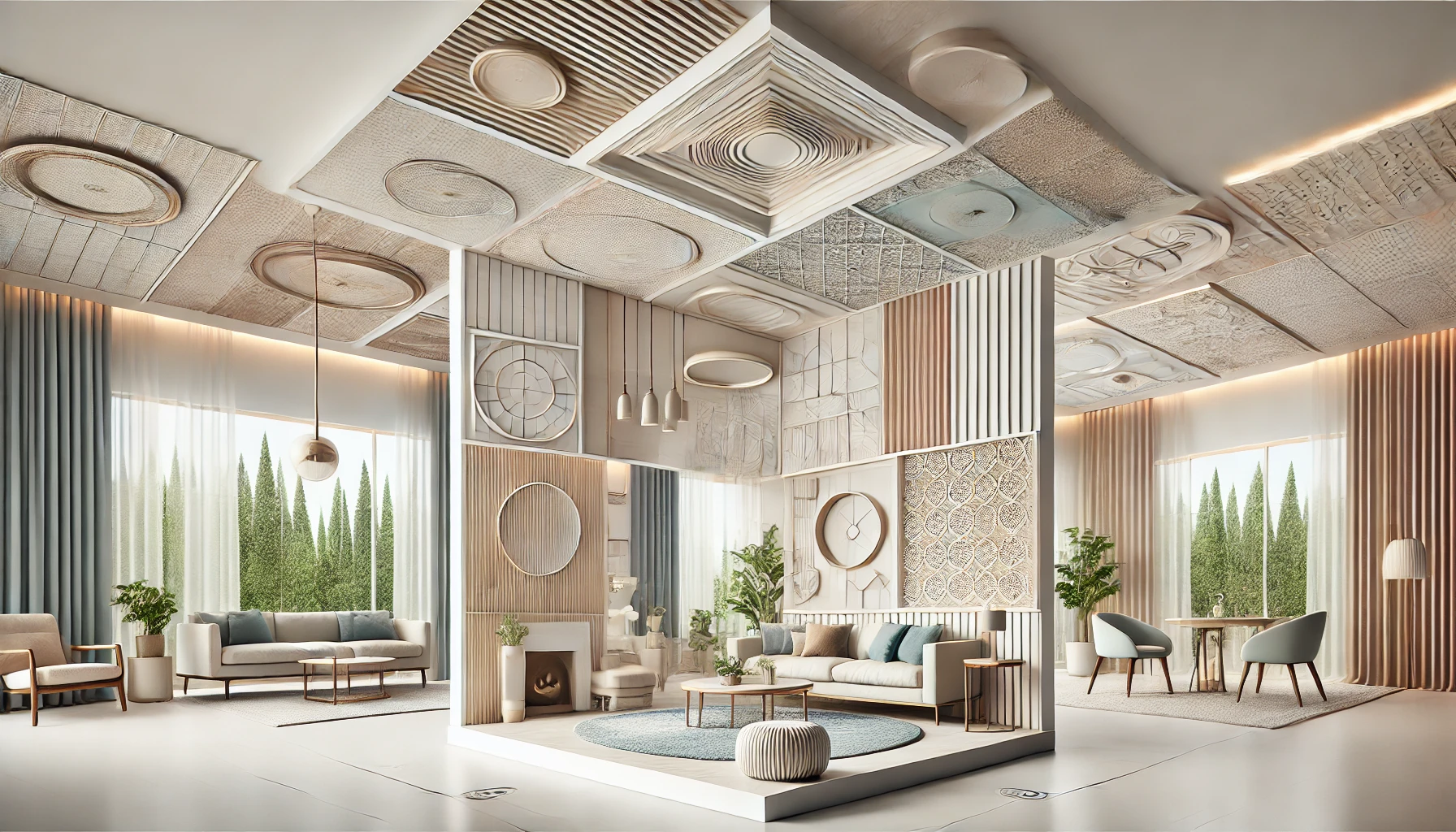
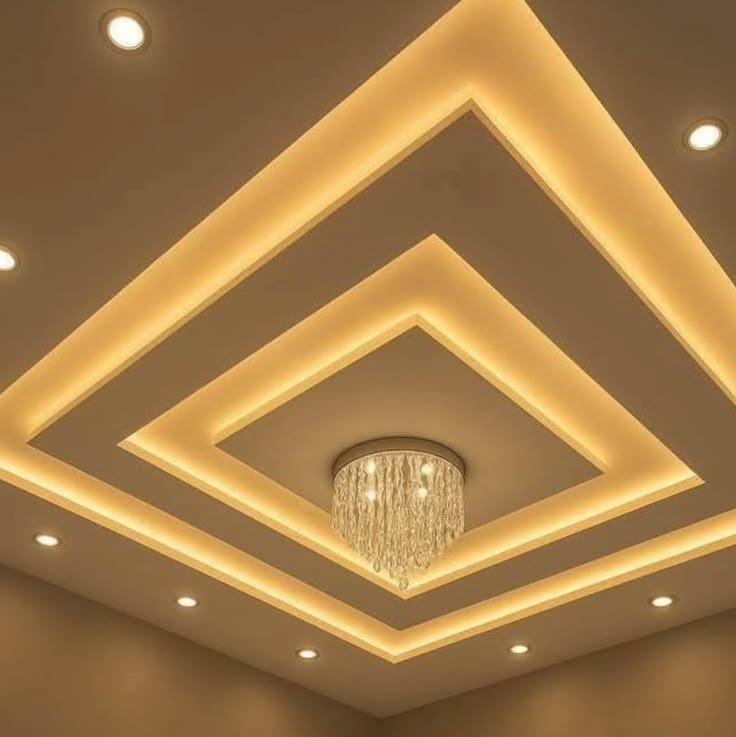
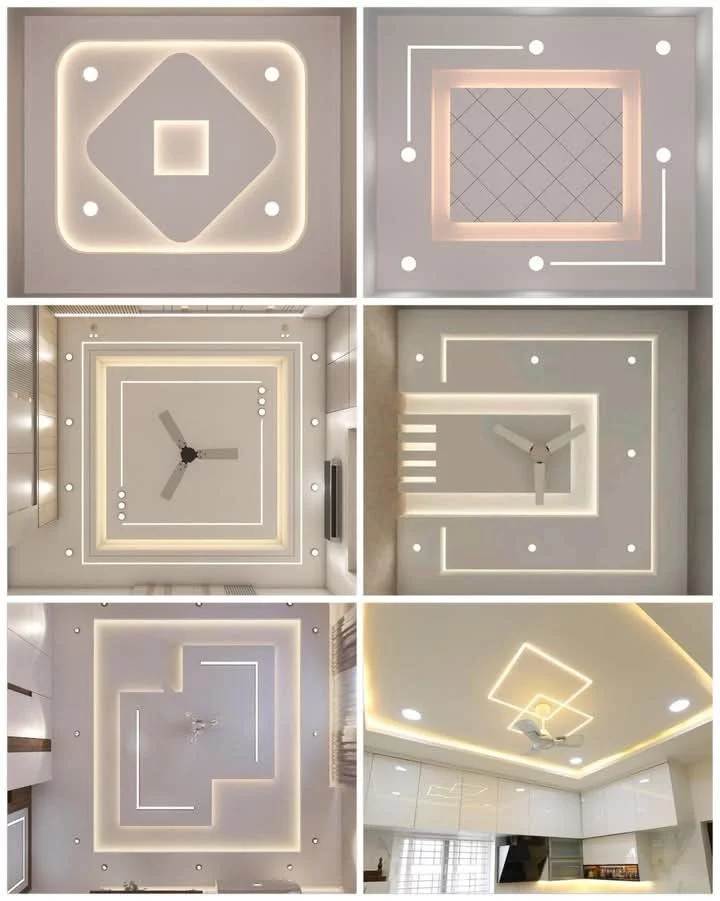
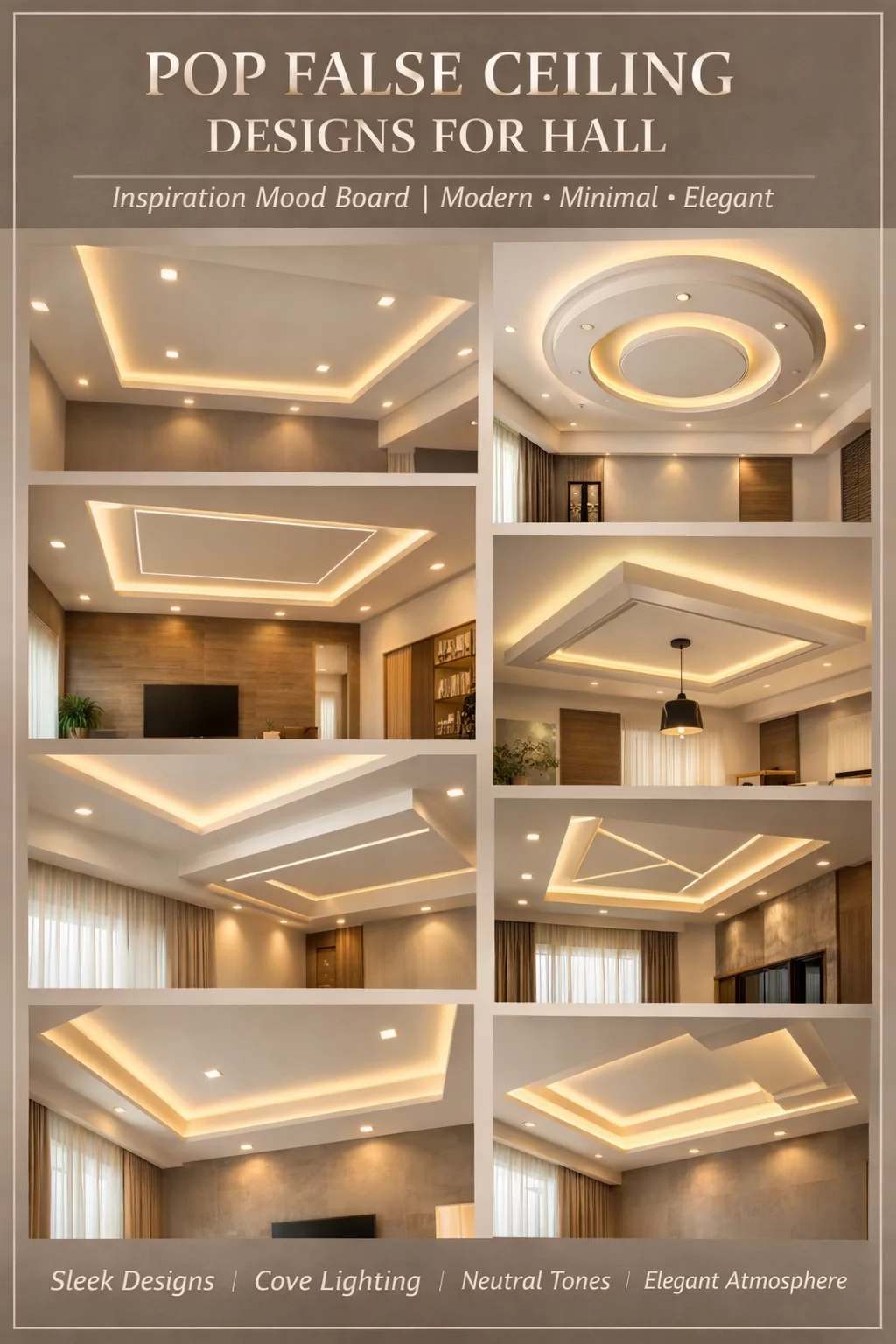
10 PhotosBrowse product images and real installation samples for False Ceiling Systems. Click any image to enlarge.




Sizes & Dimensions
Finish Options
6 FinishesAvailable surface finishes and treatment options for False Ceiling Systems.
Painted smooth (gypsum / POP)
Textured paint
Wood-grain (WPC / veneer)
Bare metal / powder coated
Perforated (acoustic)
Backlit / translucent (stretch)
The choice of finish depends on the end application. For painted furniture, use Sanded or Pre-Primed finish. For visible surfaces, Pre-Laminated or Veneer Faced offers the best aesthetics. For wet areas, always specify BWR/BWP Treated finish regardless of the surface finish chosen.
Do's, Don'ts & Designer Tips
Do's
Coordinate ceiling layout with lighting plan before execution
Provide access panels above service areas
Use moisture-resistant boards in bathrooms and kitchens
Don'ts
Do not run heavy ducts without independent structural support
Do not close ceilings before electrical and HVAC inspection
Avoid POP in high-humidity rooms — use moisture-resistant gypsum
Designer Tips
Always draw the Reflected Ceiling Plan (RCP) before execution — it prevents costly changes to lighting, AC, and fan positions.